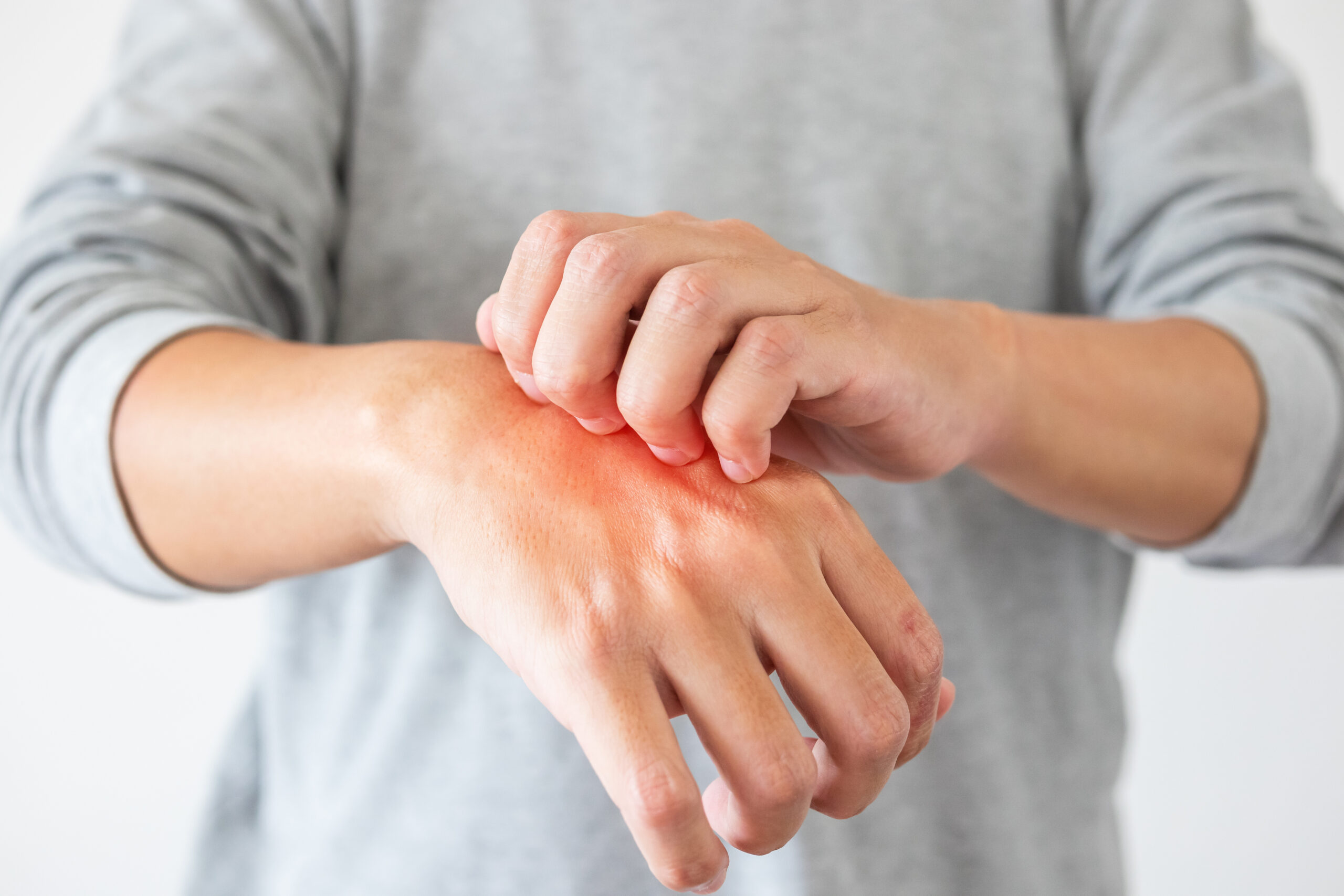

Managing Eczema Through Seasonal Changes: Tips from a Dermatologist
Living in Southwest Florida offers beautiful weather year-round, but the distinct shift between our humid summers and drier “winters” can wreak havoc on sensitive skin. For patients dealing with atopic dermatitis, maintaining clear skin requires adapting your routine as the environment shifts. At Houck Dermatology, we specialize in managing eczema in Estero and Naples, helping patients find relief regardless of the season.
Understanding Eczema Triggers in Southwest Florida
The climate plays a massive role in skin health. In Estero and Naples, we do not experience the freezing temperatures of the north, but we do have distinct seasons that affect skin hydration. The primary seasonal eczema triggers here involve fluctuations in humidity and UV exposure.
During our long summers, high heat and intense humidity can lead to sweat accumulation, which irritates eczema-prone skin. Conversely, the cooler months bring lower humidity levels, which can rapidly dry out the skin barrier. Recognizing these patterns allows you to adjust your regimen proactively. For comprehensive care, our medical dermatology team provides personalized strategies to keep flare-ups at bay.
Managing Eczema in the Summer (Heat & Humidity)
Summer in Florida means high UV index and humidity. While some moisture in the air is good for eczema, excessive heat often leads to sweating, a common irritant. Summer eczema flare-ups are frequently caused by the salt in sweat stinging broken skin or accumulating in skin folds.
Sun Protection for Sensitive Skin
Sun protection is non-negotiable, but many chemical sunscreens contain ingredients that sting or cause contact dermatitis.
- Choose Mineral Blockers: Look for zinc oxide or titanium dioxide as the active ingredients. These sit on top of the skin rather than absorbing into it.
- Avoid Fragrance: Scented SPFs are a leading cause of irritation.
- Test First: Apply a small amount to the inner arm before using it on the face or body.
Dealing with Sweat and Chlorine
Swimming is a great way to cool down, but chlorine and salt water can be drying.
- Rinse Immediately: Always shower with fresh, cool water immediately after swimming.
- Moisturize: Apply a moisturizer while the skin is still damp to seal in hydration.
- Wear Loose Clothing: Breathable fabrics like cotton allow sweat to evaporate, reducing irritation.
Managing Eczema in “Winter” (Drier, Cooler Air)
When the humidity drops in late autumn and winter, patients often report increased itchiness. Winter skin care in Florida focuses on replenishing the moisture barrier that the dry air strips away.
Adjusting Your Moisturizing Routine
The lotion you use in July may not be heavy enough for January.
- Switch to Creams or Ointments: Lotions have a higher water content and evaporate quickly. Creams and ointments have a higher oil content, providing a stronger seal.
- The 3-Minute Rule: Apply your moisturizer within three minutes of getting out of the shower to trap water in the skin.
- Limit Shower Temperature: Hot water strips natural oils. Stick to lukewarm water for bathing.
When to See a Board-Certified Dermatologist
While home care is essential, persistent eczema requires professional intervention. If managing eczema in Naples or Estero becomes difficult despite good skincare habits, it is time to see a specialist. You should schedule an appointment if itching interferes with sleep or daily activities, over-the-counter creams prove ineffective, or you notice signs of infection like yellow crusting or red streaks.
Find Lasting Relief from Seasonal Eczema
Find lasting relief from seasonal irritation and protect your skin year-round. Houck Dermatology provides expert care tailored to the unique climate of Southwest Florida. Contact us today to discuss the best options for managing eczema in Bonita Springs, Estero, Fort Myers, and Naples, FL.